Wondering how to choose the right part of Enterprise when your life is shifting? That question comes up more often than you might think, especially if you are moving up, relocating near Fort Rucker, or trying to balance space, budget, and convenience. The good news is that Enterprise gives you real variety, from central in-town homes to newer subdivisions to rural properties with more land. If you know what to compare first, you can make a smarter move that fits both your current life and your next chapter. Let’s dive in.
Start with how you live now
When your needs change, your neighborhood priorities usually change too. A shorter commute, less yard work, newer construction, or more outdoor space can all become more important depending on your season of life.
Enterprise offers a wide mix of settings. The city highlights planned subdivisions, tranquil rural settings, a historic downtown district, parks, dining, recreation, and shopping. That means your best fit may not be the biggest house or the newest address. It is often the area that makes daily life easier.
Compare the five factors that matter most
Home age and condition
One of the first things to compare is how much work you want to take on after closing. Older homes in central areas can offer character and a location close to downtown errands, but they may also need updates over time.
Current public listing examples show that range clearly. A home like 205 Lowery St dates to 1963 and sits close to downtown and the Farmers Market, while 503 W Lee St is a 1985 single-family home on a 0.36-acre lot. On the newer end, 109 Loblolly Ln in Oak Ridge Forest is 2026 new construction.
If you want fewer near-term repair surprises, a newer build may feel worth the price difference. If location matters more and you are comfortable with updates, an older in-town home might make more sense.
Lot size and maintenance
More land can be a big benefit, but it also brings more upkeep. That tradeoff matters if your schedule is tight, you travel often, or you simply do not want to spend weekends on yard work.
Enterprise-area listings range from a 4,791 square foot townhouse lot in Wakefield to 0.36 acres on Lowery Street, 0.5 acres in Currington Farms, 0.63 acres in Oak Ridge Forest, and 1.7 acres at The Acres at Smith Farms. Smaller lots and attached homes usually mean less exterior maintenance. Larger lots usually mean more room, more privacy, and more work.
This is where honesty helps. If you say you want land but know you want low upkeep, that points you toward a different neighborhood type than someone who truly wants acreage.
Amenity access and commute
Convenience changes value fast. If you want to be near shopping, dining, parks, or downtown events, some parts of Enterprise will fit better than others.
The city highlights downtown shopping and dining, parks, golf, tennis, pickleball, and a skate park. Main Street Enterprise also emphasizes downtown shops and events, and the city’s comprehensive plan notes that most parks are inside Boll Weevil Circle, with Henderson and Donaldson Parks near AL 167.
If you commute to Fort Rucker, location can matter even more. Some listings near the installation promote being minutes from the post or roughly 10 minutes from the gate. If your timeline is busy or your work hours vary, saving drive time can make a noticeable difference in daily life.
Taxes and service area
A neighborhood comparison should never stop at price alone. Carrying costs can differ depending on whether a property is inside the city limits or in an unincorporated area.
According to the Coffee County Revenue Commissioner, total millage is 43.5 mills in the City of Enterprise and 34 mills in unincorporated areas. That means two homes with similar prices can come with different tax costs before you even factor in HOA dues.
You also want to confirm lot details when space is a deciding factor. Enterprise subdivision regulations require plat approval before lots are conveyed, so it is smart to verify lot size and dimensions against recorded documents if yard space or acreage is important to you.
Resale flexibility
Your next home should work for you now, but it is also smart to think about the next move after this one. Many buyers in Enterprise are not simply chasing more square footage. They are balancing newer construction, lot size, and maintenance level.
AEI’s March 2026 Enterprise MSA playbook found that 29% of new homes built in residential subdivisions from 2000 to 2024 were townhomes. It also noted that townhomes use only 20% of the land needed for a typical detached home. In the same report, the median newly built single-family detached home in a subdivision was $312,000 versus $245,000 for financed homes.
That tells you something important. In Enterprise, move-up decisions often come down to lifestyle tradeoffs, not just size. A home that is easier to maintain or easier to resell later may be the better move, even if it is not the largest option on your list.
What different neighborhood types can offer
Central in-town homes
Older central homes can appeal to buyers who want quick access to downtown, errands, and established streets. They may also offer more character than some newer builds.
A representative example is 205 Lowery St, a 1963 home on 0.36 acres near downtown and the Farmers Market. For a buyer who values location and convenience, this kind of setting can be a strong fit.
The tradeoff is that older homes may need more updating. If you choose this route, compare systems, maintenance history, and expected repair costs carefully.
Established in-town lots
If you want a middle-ground option, an established in-town neighborhood may give you a more traditional lot size without pushing you too far from daily conveniences. This can work well for buyers who want balance instead of extremes.
A representative example is 503 W Lee St, a 1985 single-family home on 0.36 acres in Enterprise’s tax district. This type of property can offer a familiar neighborhood feel with a lot size that is manageable for many households.
Newer subdivision living
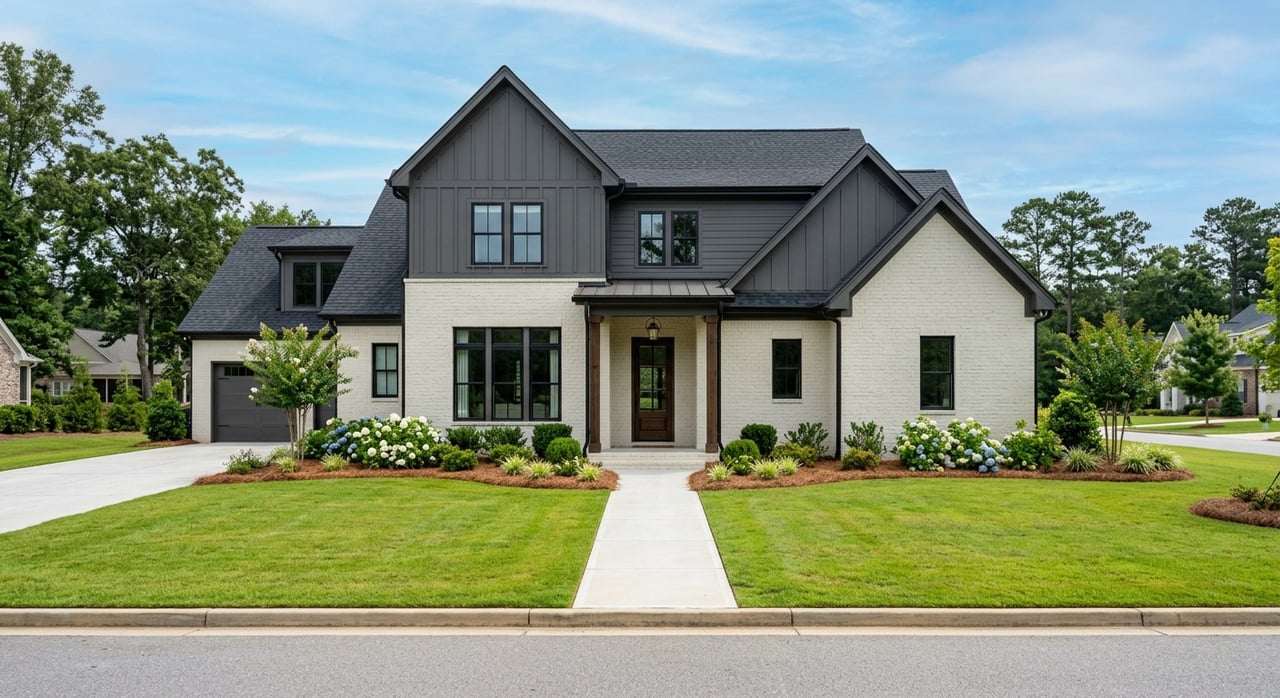
Newer subdivisions can be a strong match if you want more updated finishes, less immediate repair risk, and a more predictable layout. They also appeal to many move-up buyers who want convenience without giving up a neighborhood setting.
Examples from current listings include 109 Loblolly Ln in Oak Ridge Forest, which is new construction inside the city limits on 0.63 acres, and 105 Meer Busch Ln in Azalea Commons, a 2025 build near the bypass and shopping areas on a 7,841 square foot lot.
These homes can make sense if you want a more move-in-ready option. The key is deciding whether the newer condition and location justify the price point for your budget.
Low-maintenance townhome options
If your life is getting busier, low-maintenance living may deserve a closer look. This can be especially helpful if you travel often, are relocating on a tight timeline, or just want fewer chores.
A representative example is 174 Concord Ave in Wakefield, a 2009 townhouse on a 4,791 square foot lot with a $55 monthly HOA. The listing states that the HOA covers lawn care, pool care, and clubhouse maintenance.
This kind of setup can free up time and reduce upkeep. It may also align with what many move-up buyers in Enterprise are already weighing: convenience, maintenance level, and efficient use of space.
Rural edge and acreage properties
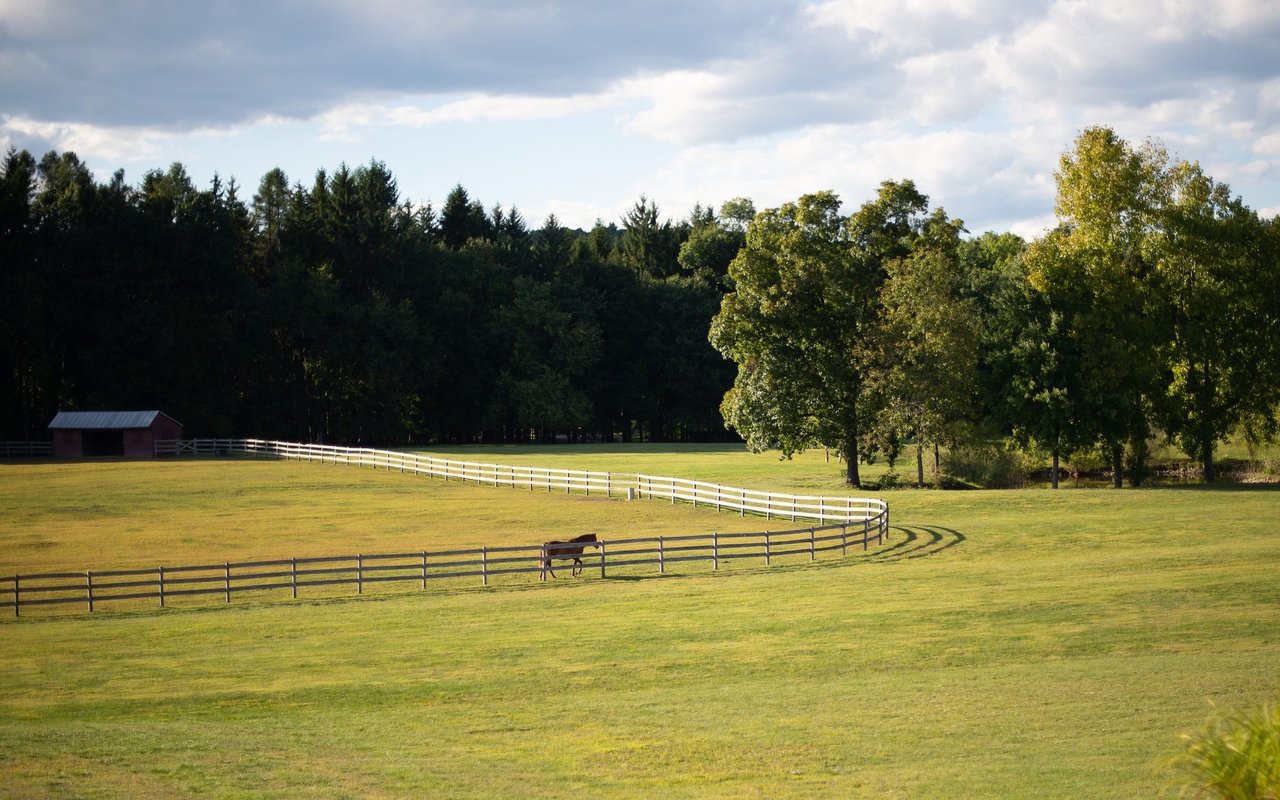
If more land is your top priority, an edge-of-town or outside-city property may be worth considering. These homes can offer more outdoor room and lower density, which appeals to buyers who want space to spread out.
A representative example is 45 County Road 711 in The Acres at Smith Farms, outside the city limits on 1.7 acres. That setup shows the clear tradeoff between more land and a less central location.
This option can be a great fit if space matters more than being close to downtown or shopping. Just be sure you are comparing commute time, taxes, and maintenance along with the extra acreage.
Ask these questions before you choose
As your needs change, these questions can help you narrow the right neighborhood type faster:
- Do you want the shortest commute, the biggest lot, or the easiest maintenance?
- If you move now, will the home still work for you in three to five years?
- Is a newer build worth the higher price if it lowers repair risk and yard work?
- Would an in-city address or an outside-city property make more sense once taxes and upkeep are compared?
- Which option is likely to appeal to the broadest buyer pool later?
These are practical questions, and they often reveal your best choice more clearly than square footage alone.
A simple way to compare Enterprise neighborhoods
If you are feeling stuck, use a side-by-side comparison. Rate each option based on the factors that affect your real daily life, not just the listing photos.
| Factor | Best for Convenience | Best for Low Upkeep | Best for More Space |
|---|---|---|---|
| Home type | In-town or near shopping | Townhome or smaller-lot subdivision | Rural edge or acreage property |
| Typical tradeoff | Older homes may need updates | HOA fees or smaller lots | Longer drive and more yard work |
| Daily lifestyle fit | Easier errands and amenities | Less exterior maintenance | More room and lower density |
| Cost considerations | City taxes may apply | HOA plus taxes | Different tax area, more upkeep |
This kind of framework helps you compare apples to apples. It also makes it easier to avoid buying a home that fits today but feels wrong a year from now.
The smartest move is matching the area to your season
In Enterprise, your next neighborhood does not have to be your forever neighborhood. It just needs to support the way you live now while keeping an eye on resale, upkeep, and your likely next step.
That is why we encourage buyers to compare neighborhoods by function first. Think commute, maintenance, lot size, tax area, and how long the home will serve your goals. When you do that, the right fit usually becomes much clearer.
If you want help sorting through Enterprise options, comparing newer subdivisions to in-town homes, or deciding whether acreage is really worth the tradeoff, Dexter R Gilley can help you make a practical, informed move.
FAQs
How should you compare Enterprise neighborhoods when your needs change?
- Focus first on commute, lot size, maintenance level, home age, tax area, and access to shopping, parks, and downtown amenities.
Are newer Enterprise subdivisions always better for move-up buyers?
- Not always. Newer homes may reduce repair risk and yard work, but older in-town homes can offer more central locations and different price and lot-size tradeoffs.
What is the difference between city and outside-city property taxes in Enterprise?
- The Coffee County Revenue Commissioner lists total millage at 43.5 mills in the City of Enterprise and 34 mills in unincorporated areas.
Are there low-maintenance home options in Enterprise?
- Yes. Public listing examples include townhome-style living in Wakefield, where HOA coverage may include items like lawn care, pool care, and clubhouse maintenance.
Why does lot size matter when comparing Enterprise neighborhoods?
- Lot size affects how much outdoor space you get, how much maintenance you take on, and how a property may fit your lifestyle over the next several years.